



You gave your domestic worker the legally required raise on 1 March. You adjusted your household budget to absorb it. And then April arrived with an 8.76% electricity tariff hike, fuel prices climbing by as much as R4 per litre, and groceries that somehow still cost more every month despite "easing inflation."
If you're feeling squeezed right now, you're not imagining it. And neither is the person working in your home.
The CPI numbers behind the pressure
The Competition Commission released its latest Cost of Living report on 2 April 2026, and the picture is blunt. Over the period from July 2020 to January 2026, electricity prices rose by roughly 85%. Water tariffs climbed about 68%. Both of those outpaced general inflation, which sat at around 30% over the same stretch.
For household employers, that means the budget you're working with has been shrinking in real terms for years. And the 5% minimum wage increase to R30.23 per hour, while it looks modest on paper, lands on top of all those other cost increases.
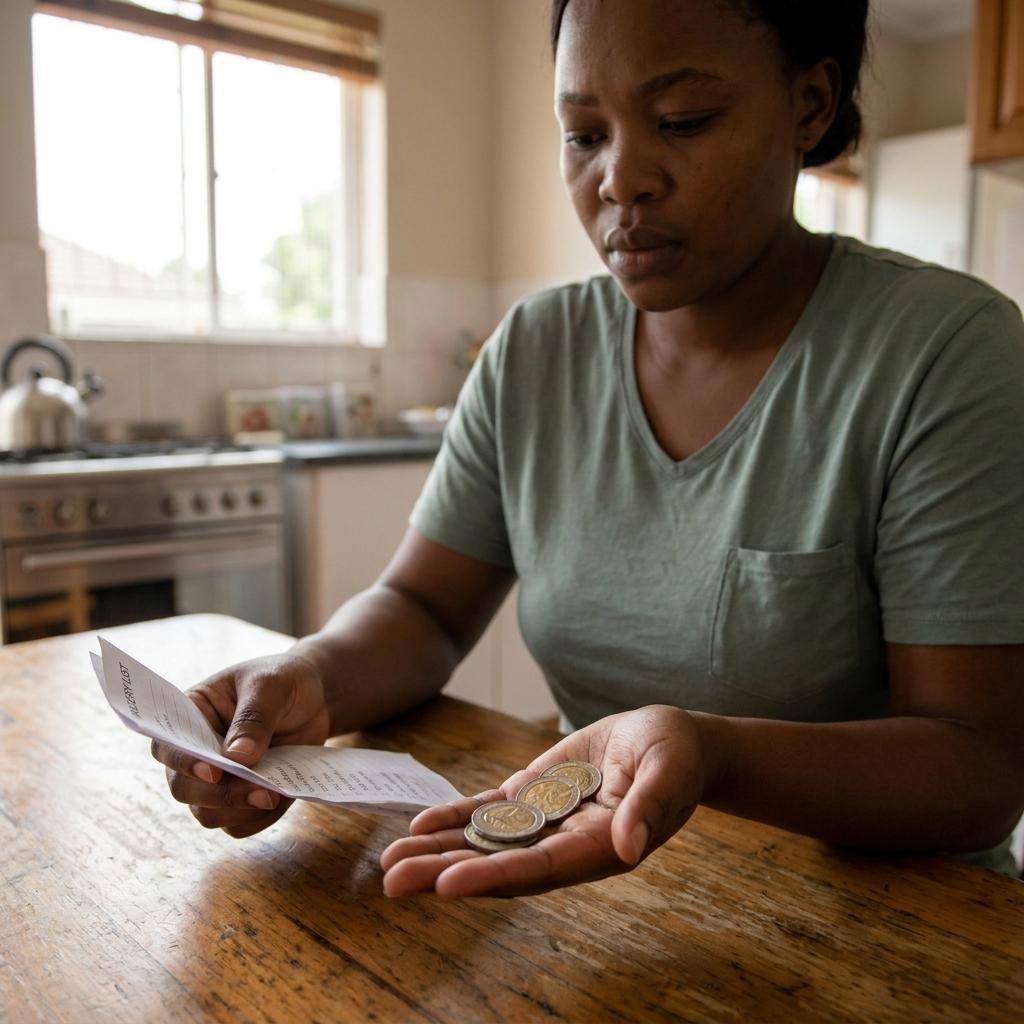
For domestic workers, the story is just as tough. The March 2026 PMBEJD Household Food Basket came in at R5,328.53. A domestic worker earning the legal minimum on a standard 40-hour week brings home about R5,236 per month. Even at 45 hours per week (the legal maximum), that's roughly R5,895. The food basket alone consumes between 90% and 100% of minimum wage earnings, depending on the working pattern. That leaves very little room for transport (often grabbing a headline number of up to 40% per employee), electricity, school fees, or anything else.
Both sides of this employment relationship are under genuine financial strain. That's worth acknowledging before anyone reaches for a quick fix.

The reducing hours temptation that can cost you
When budgets get tight, the first thought many employers have is to reduce their domestic worker's hours or days. It feels like a reasonable solution. Less work, less cost.
But here's where it gets legally complicated. Section 4(8) of the National Minimum Wage Act specifically says that it is an unfair labour practice for an employer to unilaterally alter hours of work in connection with the implementation of the minimum wage. If you quietly cut your domestic worker from five days to four because you can't absorb the increase, and she takes it to the CCMA, you could be on the wrong end of a ruling.
The key word is "unilaterally." You can't just announce the change. Reducing hours without your worker's genuine, informed consent is a risk that can result in a CCMA dispute, potential back-pay orders, and a damaged relationship with someone who works in your home.
4 Steps to manage household employment costs
The good news is that there are legitimate ways to manage household employment costs. They just require a conversation rather than a unilateral decision.
1. Have an honest discussion about working patterns.
If your household genuinely needs fewer days of domestic help, you can negotiate a new arrangement. But it needs to be a real agreement, documented in writing, with both parties clear on the new hours, pay rate, and effective date. The minimum wage still applies to every hour worked, and the four-hour rule means any day your worker comes in, she must be paid for at least four hours (R120.92 at the current rate).
2. Understand total cost-to-household.
Many employers think about the hourly rate but forget the statutory costs. UIF adds 1% employer contribution on top of wages (about R59 per month for a full-time worker). COIDA assessment is R560 per year. These aren't optional, and budgeting for them upfront avoids surprises.
3. Look at the actual working arrangement you need.
Some households discover they're paying for more hours than they truly require. A structured three-day arrangement at the correct hourly rate, agreed to by both parties, can be more sustainable than a five-day arrangement where both sides feel the strain. The difference between this and an illegal hours reduction is consent, documentation, and transparency.
4. Keep your paperwork current.
A written contract reflecting the actual working arrangement protects both you and your worker. If a dispute ever arises, the employer with a signed contract and consistent payslips is in a far stronger position than one operating on a handshake.
Nobody wins when compliance breaks down
The temptation during a cost squeeze is to let things slide. Skip the UIF registration. Pay a flat rate that doesn't quite meet minimum wage. Reduce days without a proper agreement. It feels like it saves money in the short term.
But the cost of a CCMA finding against you, or a workplace injury with no COIDA cover, will dwarf whatever you thought you were saving. And the person most affected is the worker who loses protections she's legally entitled to.
Both employers and domestic workers are navigating the same economy. The path through it isn't cutting corners. It's getting the arrangement right so it works for both sides.
Need help getting your domestic worker's contract, UIF, or payslips sorted? AskMandla handles it all on WhatsApp. Message us to get started